 Creative project manager
Home / Approach
How I run a project
Same six stages, whatever the format
A film, an animation, a print campaign, an e-learning module, a website. The craft changes; the way I run the project doesn't. Click a stage to see what the client gets from me at each one, the tools I use, and what I'm watching for.
Stage 01 of 06
Brief & scope
A client rarely arrives with a brief. They arrive with a problem, a date and a rough idea of the money. I turn that into one page everyone can sign off: who it's for, what we're making (film, animation, print, digital, e-learning, or all of them), what done looks like, and who approves it.
What you get: a signed-off brief, a deliverables list and a named approver, before anyone spends a day on creative.
I deliver
- One-page brief: audience, objective, deliverables, dates, budget range
- Deliverables matrix across formats and channels
- Approval chain: who signs off what, by when
- Early risk list: the three things most likely to derail it
Tools
- Google Docs / Notion
- ChatGPT to pressure-test the brief and surface the questions nobody asked
- Midjourney for a quick tone board when words aren't landing
What I'm watching for
- Deliverables that keep growing after the budget is set
- Nobody named as the final approver
- A date agreed before anyone knows what's being made
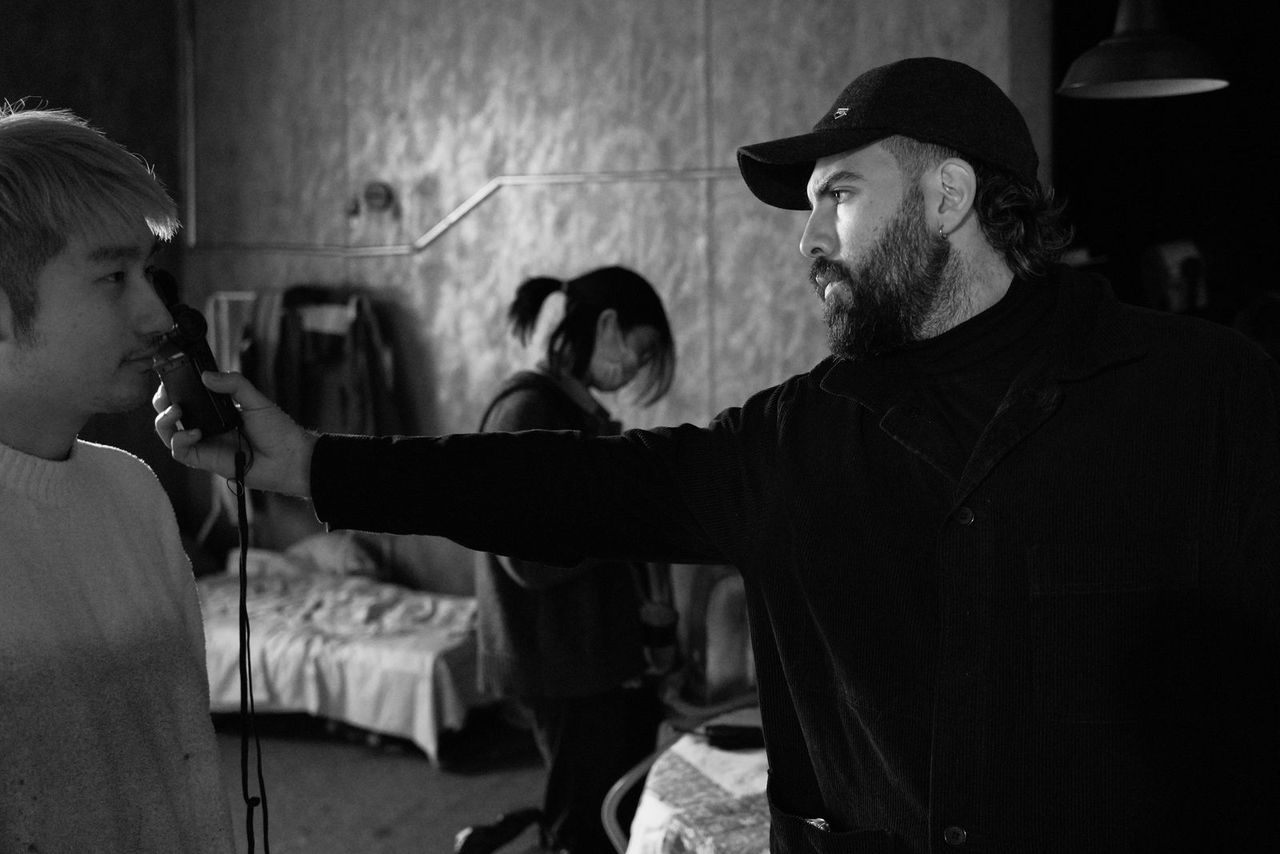
excerpt from a real project (anonymised)
Stage 02 of 06
Budget & schedule
Break the brief into what it actually needs: people, days, kit, licences, locations, review rounds, post. Price it line by line with contingency, then build the schedule that fits the money, not the other way round. This is the document the client holds me to, so it's honest from day one.
What you get: a line-item budget, a phased schedule from concept to delivery, and a cost tracker I update every week.
I deliver
- Line-item budget with contingency and margin visible
- Phased schedule: concept, production, review rounds, delivery
- Cost tracker, updated weekly, variance flagged early
- Risk register with an owner for each risk
Tools
- Google Sheets / Excel
- Scheduling: [StudioBinder / Movie Magic / Sheets / Notion]
- ChatGPT for first-pass breakdowns and sanity checks on day counts and rates
What I'm watching for
- Contingency spent in week one
- Post and amends priced as an afterthought
- A schedule built around who's free, not what the work needs
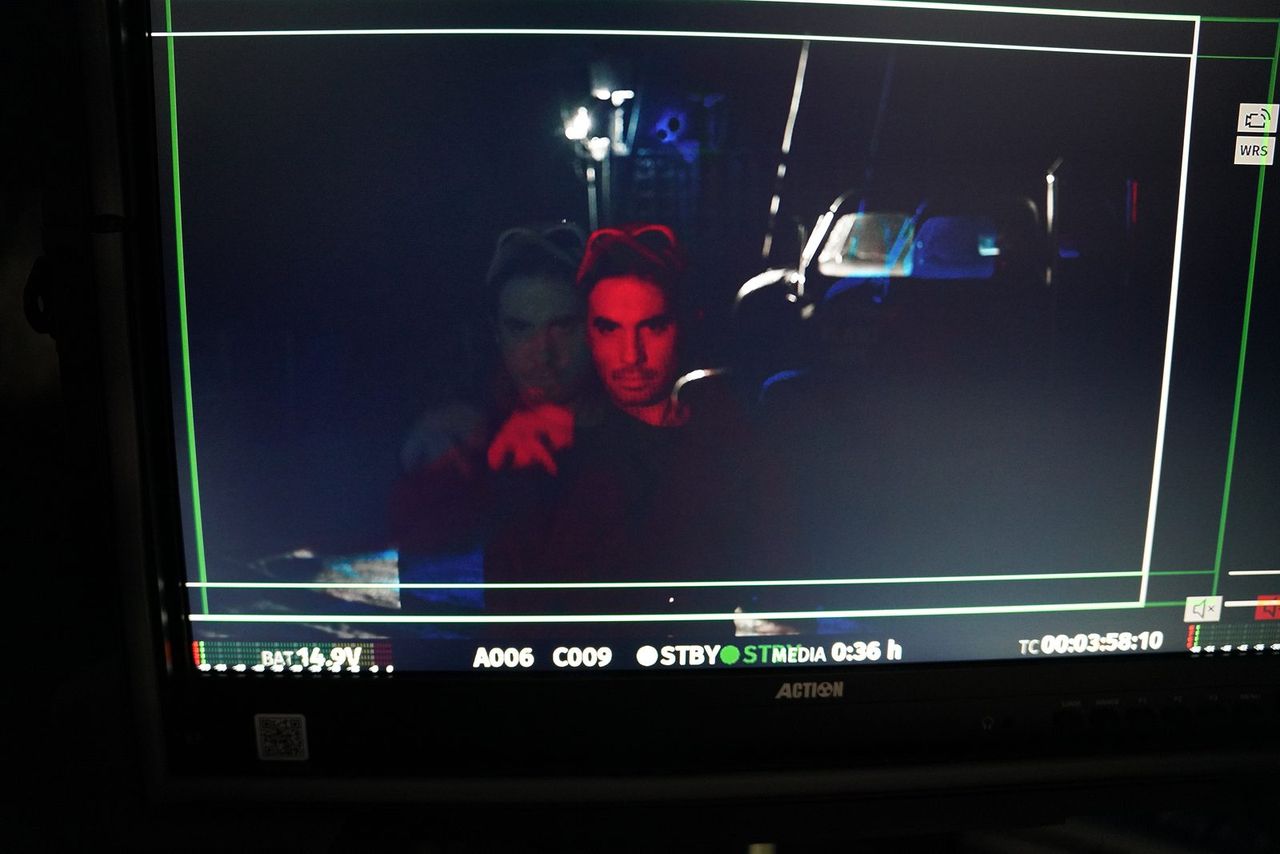
screenshots (anonymised)
Stage 03 of 06
Team & suppliers
Put the right people on it: in-house where they exist, freelance where they don't. Animators, editors, film crews, writers, designers, developers. Agree scope, rates and dates in writing before anyone is announced, and brief each of them so they can start without a second meeting.
What you get: a resourced team with written agreements, and every supplier quote compared side by side.
I deliver
- Resourcing plan: in-house vs freelance, by phase
- Deal memos, scope notes and usage rights per freelancer
- Supplier quotes compared on like-for-like scope
- Licences and assets: fonts, stock, music, kit, insurance
Tools
- A freelancer and supplier network built over 40+ productions in London and Spain
- ChatGPT to turn a scope into a clear freelancer brief or supplier email
What I'm watching for
- Hiring the available friend, not the right specialist
- Verbal rate agreements
- Usage rights nobody checked until the client asked
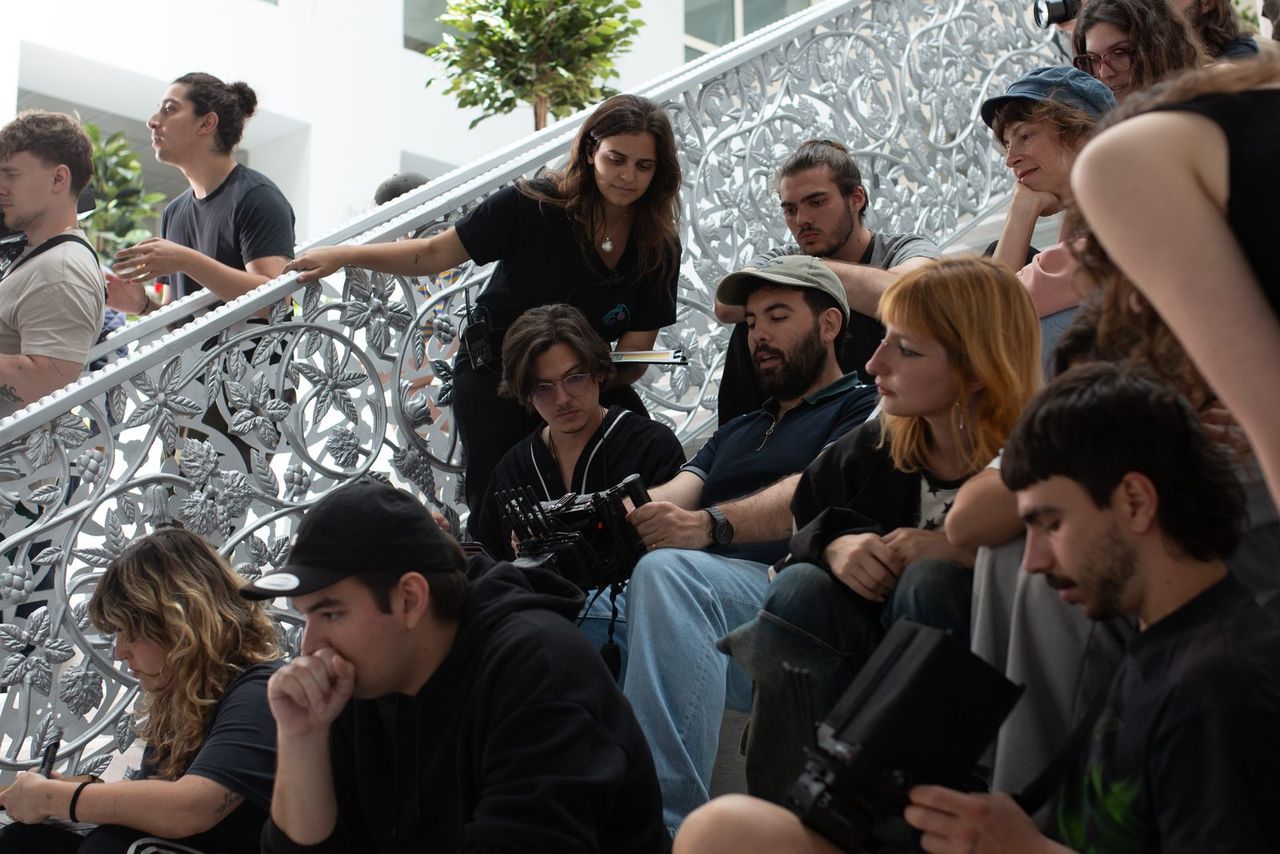
screenshot (names removed)
Stage 04 of 06
Planning & logistics
Everything that has to be true before production starts. For a shoot: locations, permits, call sheets, risk assessments, transport. For animation or digital: approved storyboards, scripts, asset lists and specs. For print: formats, proofs and print deadlines. Then one production meeting where every department says what they still need.
What you get: production can start on the day it was scheduled, with nothing waiting on a decision.
I deliver
- Approved scripts, storyboards, layouts or wireframes
- Locations, permits and risk assessments for shoots
- Call sheets, movement orders, asset and spec lists
- Production meeting notes with an owner against every action
Tools
- Call sheets: [StudioBinder / SetHero / Sheets]
- Google Maps, Drive, shared trackers
- ChatGPT to turn recce notes into a risk assessment first draft
What I'm watching for
- A call sheet or spec sent the night before
- A risk assessment written to be filed, not read
- A location or asset nobody checked at the time of day it's needed
screenshots
Stage 05 of 06
Production
Shoot days, animation sprints, builds, print runs. My job is to keep it on time and on budget while the plan changes, because it always does. I've run sets as first AD on nine films; the same instincts apply to a studio sprint that's slipping. I make the call on overtime, drops and scope, and I tell the client before they have to ask.
What you get: daily or weekly progress and cost reports, and no surprises at the end.
I deliver
- Daily or weekly progress report against schedule and budget
- Same-day revisions when the plan moves
- Decisions on overtime, drops, pick-ups and scope, with the cost attached
- Client updates at the end of every production day or sprint
Tools
- Shared live schedule and tracker
- WhatsApp or Slack channels per team
- Cost tracker updated at wrap, not at the end of the week
What I'm watching for
- The first hour of the day lost
- No cover plan for weather, a sick actor or a missing asset
- Overtime decided by the loudest voice, not the budget
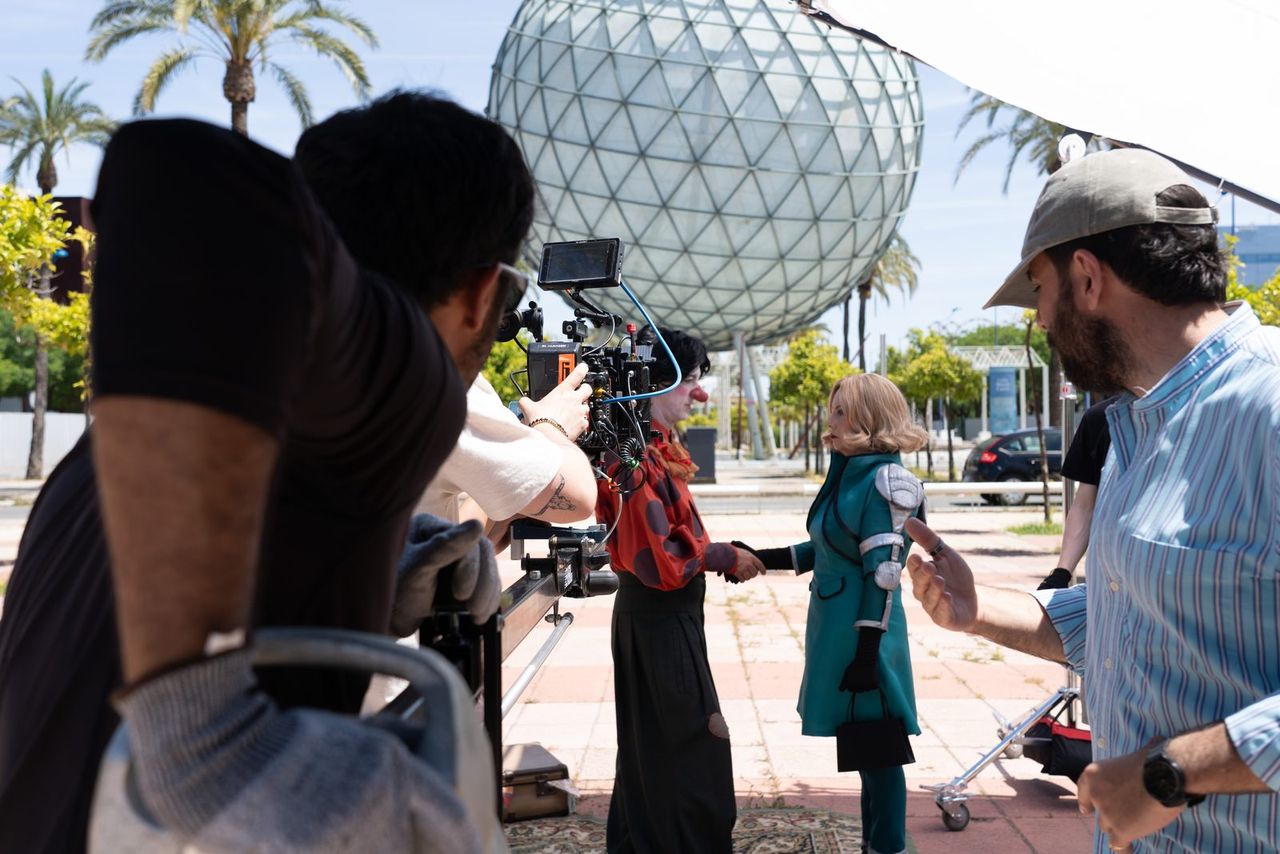
screenshot
Stage 06 of 06
Review & delivery
Creative review at every stage, with a director's eye: a cut, an animatic, a layout. I consolidate everyone's notes into one feedback document the team can act on, run amends and approvals to a fixed number of rounds, deliver to spec for every channel, and close the books with a wrap report.
What you get: approved work delivered to spec, a final cost against budget, and a page of lessons for next time.
I deliver
- Review schedule with a fixed number of rounds
- One consolidated feedback document per round
- Delivery specs per channel: broadcast, social, web, print, LMS
- Wrap report: final cost vs budget, what we'd change
Tools
- Frame.io / Vimeo review
- Runway, Seedance and ElevenLabs for animatics, mock-ups and temp voice-over
- ChatGPT to consolidate five people's notes into one clear document
What I'm watching for
- Unlimited review rounds
- Feedback from five people with no owner
- Nobody writes the wrap report, so the next job repeats the mistake
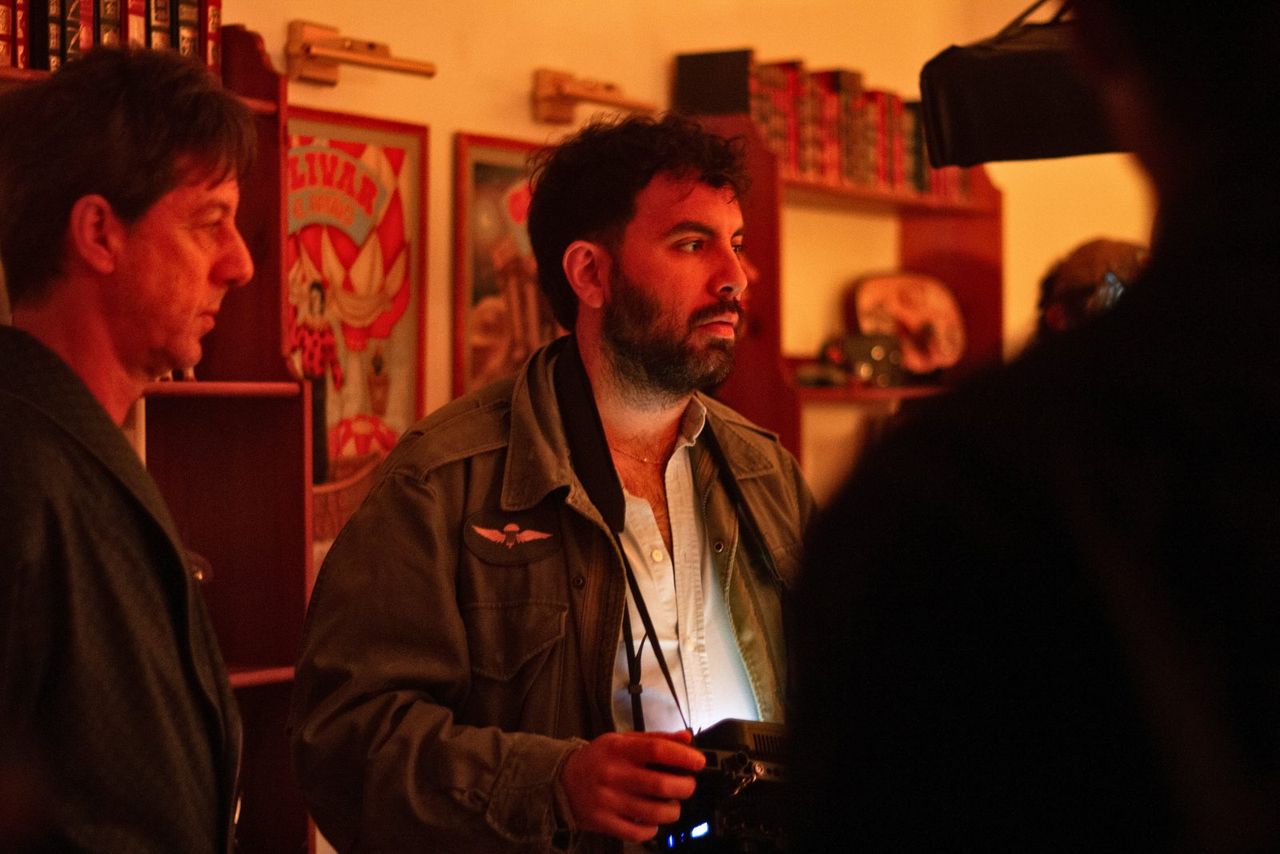
screenshot